Innovation and Sustainability
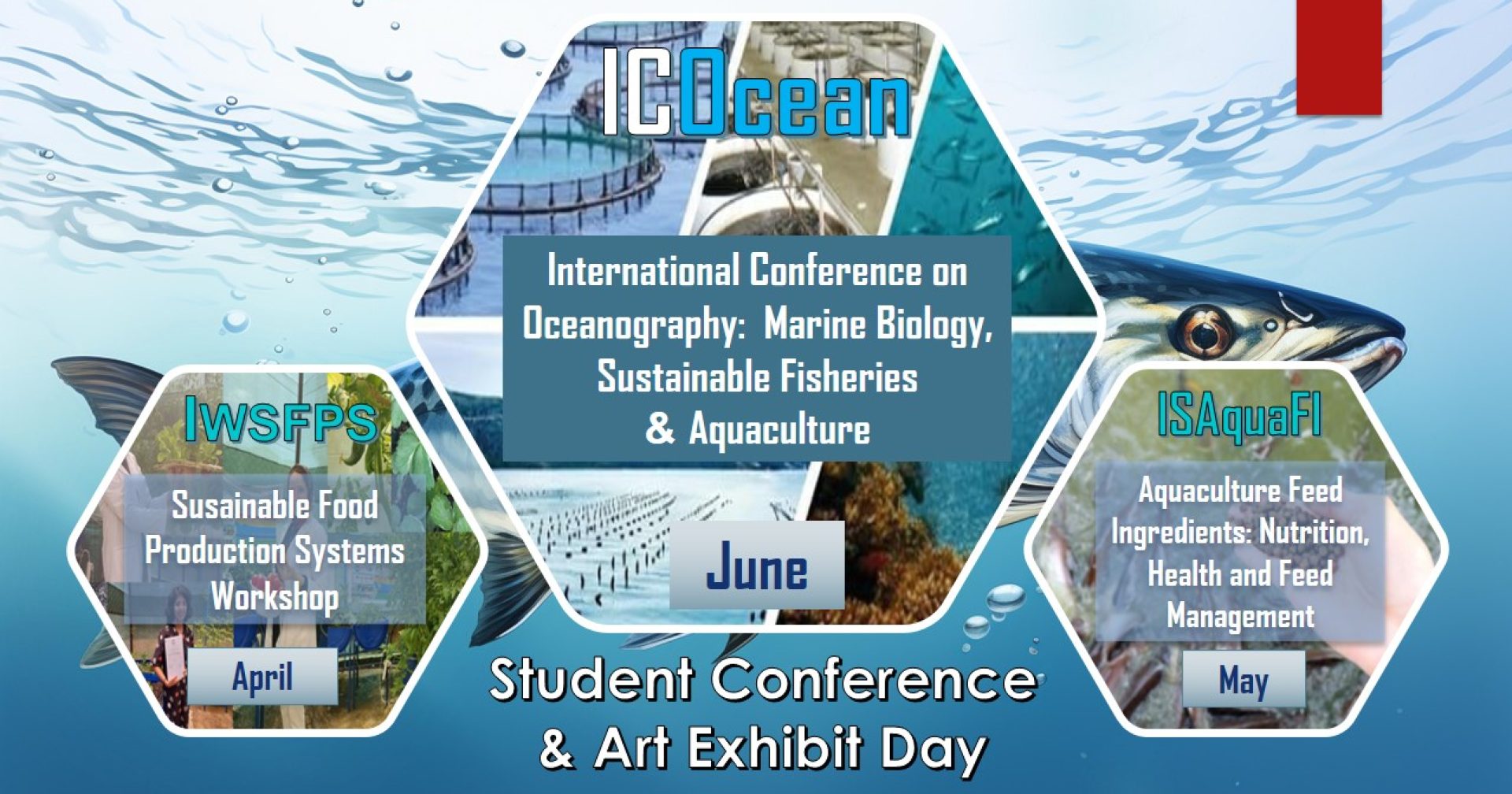
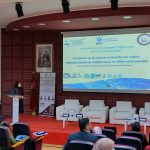
After the overwhelming success of the inaugural event 2021, we are very pleased to announce that the International Conference on Oceanography : Marine Biology, Sustainable Fisheries and Aquaculture will be held at Abdelmalek Essaadi University-Tangier-Morocco from June 10th to 13th under the theme : The role of Research in Blue Food and Nutrition Security. Achieving food security and improving nutrition are integral goals of the UN 2030 Agenda for Sustainable Development. According to the Food and Agriculture Organization’s assessment using the Food Insecurity Experience Scale, there are 2.4 billion people worldwide who are either moderately or severely food insecure. The complexity of these issues demands innovative solutions that seek to improve the resilience of food production systems and encourage the sustainable use of natural resources.
We gather at a time when addressing global concerns regarding nutrition security requires a transformative approach to food systems. The High-Level Panel of Experts of the UN Committee on World Food Security emphasized the need to diversify food systems, empower vulnerable groups, and promote sustainability across all aspects of food supply chains.
Key to this transformation is recognizing blue foods as a sustainable solution. With over 3,000 species of marine and freshwater animals and plants used for consumption, blue foods offer a diverse and nutrient-rich portfolio. According to the FAO, fish alone provide almost 20% of the average per capita intake of animal protein for 3.3 billion people, along with essential micronutrients playing a vital role in preventing malnutrition, maternal and infant mortality, stunting, and cognitive deficits.
Beyond their nutritional value, blue foods are essential for supporting livelihoods, particularly in vulnerable communities. Approximately 800 million people, mainly engaged in small-scale fisheries and aquaculture, rely on blue food systems for their sustenance. These systems not only ensure food security but also foster resilience against climate change and market fluctuations. Moreover, many blue food systems have smaller environmental footprints and perform comparably or even better than traditional terrestrial animal-source food production systems in terms of environmental impact.
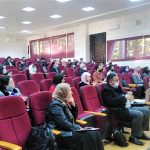
Our conference aims to bring together industry experts, researchers, and professionals in the field of marine biology, fisheries, and aquaculture to exchange and share their knowledge, experience, and research results. It aims to provides a valuable platform to explore the latest advancements in aquaculture feed, integrated aquaculture systems, sustainable aquaculture and fisheries, and marine biology. Additionally, the conference offers opportunities for PhD students to present and publish their work, network with peers, and achieve their research and academic goals. Furthermore, it features a Students Conference and Exhibit Day where students can present their creations pertaining to the conference themes in a variety of formats. You are very welcome to ICOcean 2024, we believe that you will enjoy your stay in Tangier and your participation to the scientific sessions.
(Conference Chair: Prof. Maryam El Bakali- Abdelmalek Essaadi University-Morocco).
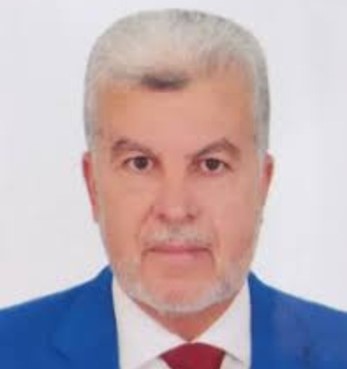
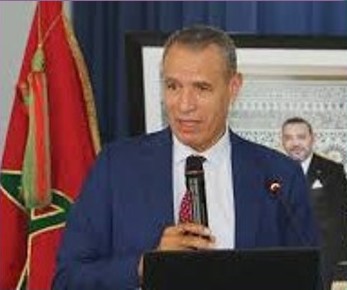
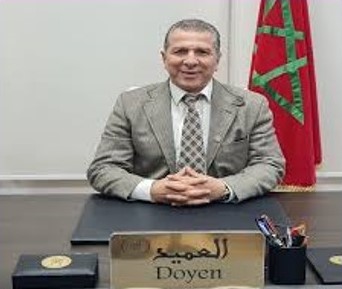
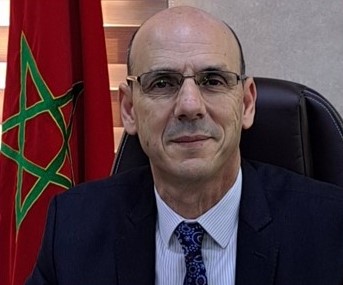
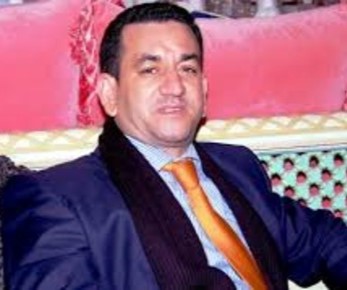
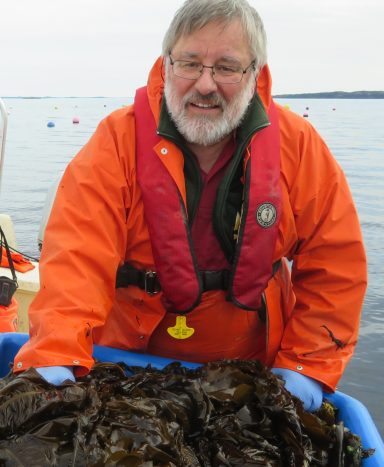
Dr. Thierry Chopin was born and educated in France. He moved to Canada in 1989 and is Professor of Marine Biology at the University of New Brunswick in Saint John. His research focuses on the ecophysiology, biochemistry and cultivation of seaweeds of commercial value and the development of Integrated Multi-Trophic Aquaculture (IMTA) systems for increased environmental sustainability, economic stability and societal acceptability. Dr. Chopin promotes a greener Blue Economy, the Turquoise Economy, in which ecosystem services, provided in particular by extractive aquaculture (seaweeds and invertebrates), are recognized, valued and used as financial and regulatory incentives, through nutrient trading credits, within a circular economy approach. From 2010 to 2017, he was Scientific Director of the Canadian IMTA Network (CIMTAN), an interdisciplinary strategic network of the Natural Sciences and Engineering Research Council of Canada (NSERC). He is President of Chopin Coastal Health Solutions Inc. since 2016, and of Turquoise Revolution Inc. since 2022. Dr. Chopin is Past President of the Aquaculture Association of Canada, the Phycological Society of America and the International Seaweed Association.
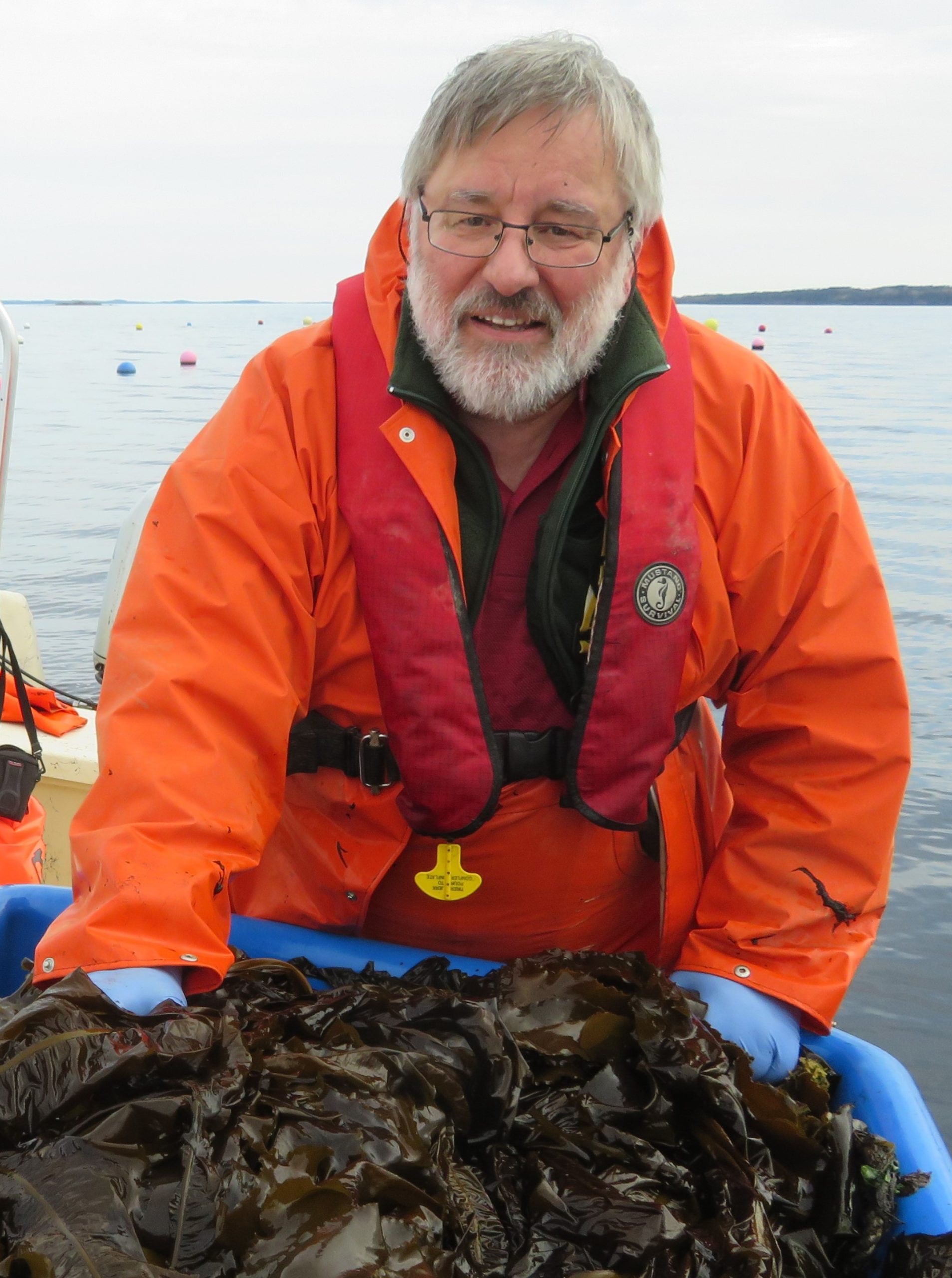
Dr. Thierry Chopin was born and educated in France. He moved to Canada in 1989 and is Professor of Marine Biology at the University of New Brunswick in Saint John. His research focuses on the ecophysiology, biochemistry and cultivation of seaweeds of commercial value and the development of Integrated Multi-Trophic Aquaculture (IMTA) systems for increased environmental sustainability, economic stability and societal acceptability. Dr. Chopin promotes a greener Blue Economy, the Turquoise Economy, in which ecosystem services, provided in particular by extractive aquaculture (seaweeds and invertebrates), are recognized, valued and used as financial and regulatory incentives, through nutrient trading credits, within a circular economy approach. From 2010 to 2017, he was Scientific Director of the Canadian IMTA Network (CIMTAN), an interdisciplinary strategic network of the Natural Sciences and Engineering Research Council of Canada (NSERC). He is President of Chopin Coastal Health Solutions Inc. since 2016, and of Turquoise Revolution Inc. since 2022. Dr. Chopin is Past President of the Aquaculture Association of Canada, the Phycological Society of America and the International Seaweed Association.
Dr Didier Montet is a Food Safety Expert and Member of the French Veterinary Academy (France). He obtained his PhD in food microbiology, University of Montpellier. He has been conducting research in the food sector and more particularly in food safety for more than 35 years. He created the Food safety team at UMR Qualisud at Cirad in Montpellier, France. He is a national expert in biotechnology and additives at the National Food Safety Agency (ANSES). He is CIRAD's representative for EFSA (article 36). His main research concerns the understanding of the microbial ecology of food and food safety. He has published more than 230 articles and 8 books as an editor in the field of food (Fermentations, traceability, mycotoxins). He has managed or participated in 8 European projects. It carries out various expertise in the world concerning national food security organizations (with the FAO, the French embassy and several international foundations). He has developed a collective expertise methodology to identify food hazards.
Dr Didier Montet is a Food Safety Expert and Member of the French Veterinary Academy (France). He obtained his PhD in food microbiology, University of Montpellier. He has been conducting research in the food sector and more particularly in food safety for more than 35 years. He created the Food safety team at UMR Qualisud at Cirad in Montpellier, France. He is a national expert in biotechnology and additives at the National Food Safety Agency (ANSES). He is CIRAD's representative for EFSA (article 36). His main research concerns the understanding of the microbial ecology of food and food safety. He has published more than 230 articles and 8 books as an editor in the field of food (Fermentations, traceability, mycotoxins). He has managed or participated in 8 European projects. It carries out various expertise in the world concerning national food security organizations (with the FAO, the French embassy and several international foundations). He has developed a collective expertise methodology to identify food hazards.
Mohamed JEBBAR is Professor of Microbiology at the University of Brest, where he has directed the biology-Health Master's degree (2010-2017) and co-directs from 2017, the Master's degree in Microbiology between the University of Brest and the University of Rennes.
Prof. M. JEBBAR is since 2016 a member of the Comité National de la Recherche Scientifique (CoNRS) section 29 (Biodiversity, evolution and biological adaptations: from macromolecules to communities) (https://www.cnrs.fr/comitenational/contact/annuaire.php?inst=29). He headed UMR 6197 (2010-2022) and is interested in the isolation, culture, genomic and physiological characterisation and ecology of piezophiles from the deep sea.
Prof. M. JEBBAR (Biology and Ecology of deep-sea ecosystems Laboratory (BEEP), UBO-CNRS-Ifremer) (https://www.umr-beep.fr/) has been involved in several research projects: AAP MSCA COFUND, COFUND scheme (03/01/2022-04/01/2024), Science for Clean Energy (European Commission - Brussels), Grant_Number: 764810, Grant_Number: ANR 16-CE12-0016 (National Agency for Research (Paris), Marine Microorganisms - Grant_Number: 311975 (European Commission (Brussels) and Marine Metagenomics for New Biotechnological Applications (European Commission 2009) - Grant_Number: 226977 and Grant_Number: ANR-10-BLAN-1725 (National Agency for Research - Paris).
He is editor or associate editor of: Research in Microbiology (Elsevier) and Frontiers in Microbiology (Extreme Microbiology section). He has published over 100 articles in peer-reviewed journals, 6 book chapters, 7 general public articles, 1 patent, 34 guest seminars, 28 posters, 34 oral presentations at international conferences, 18 supervised theses and 5 post-docs. H-index: 31 (WOS)
Mohamed JEBBAR is Professor of Microbiology at the University of Brest, where he has directed the biology-Health Master's degree (2010-2017) and co-directs from 2017, the Master's degree in Microbiology between the University of Brest and the University of Rennes.
Prof. M. JEBBAR is since 2016 a member of the Comité National de la Recherche Scientifique (CoNRS) section 29 (Biodiversity, evolution and biological adaptations: from macromolecules to communities) (https://www.cnrs.fr/comitenational/contact/annuaire.php?inst=29). He headed UMR 6197 (2010-2022) and is interested in the isolation, culture, genomic and physiological characterisation and ecology of piezophiles from the deep sea.
Prof. M. JEBBAR (Biology and Ecology of deep-sea ecosystems Laboratory (BEEP), UBO-CNRS-Ifremer) (https://www.umr-beep.fr/) has been involved in several research projects: AAP MSCA COFUND, COFUND scheme (03/01/2022-04/01/2024), Science for Clean Energy (European Commission - Brussels), Grant_Number: 764810, Grant_Number: ANR 16-CE12-0016 (National Agency for Research (Paris), Marine Microorganisms - Grant_Number: 311975 (European Commission (Brussels) and Marine Metagenomics for New Biotechnological Applications (European Commission 2009) - Grant_Number: 226977 and Grant_Number: ANR-10-BLAN-1725 (National Agency for Research - Paris).
He is editor or associate editor of: Research in Microbiology (Elsevier) and Frontiers in Microbiology (Extreme Microbiology section). He has published over 100 articles in peer-reviewed journals, 6 book chapters, 7 general public articles, 1 patent, 34 guest seminars, 28 posters, 34 oral presentations at international conferences, 18 supervised theses and 5 post-docs. H-index: 31 (WOS)
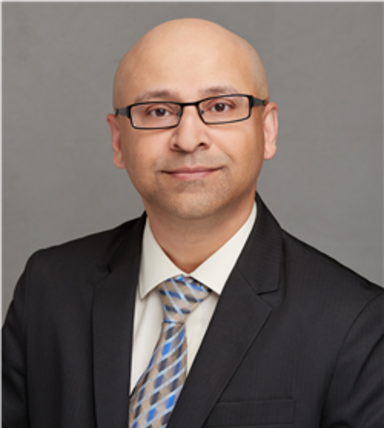
Dr. Pratik Banerjee is an Associate Professor and Food Safety Extension Specialist in the Department of Food Science and Human Nutrition at the University of Illinois at the Urbana-Champaign (UIUC), USA. His research, teaching, and outreach programs aims to develop an interdisciplinary approach to solve problems related to foodborne illnesses and outbreaks in humans, food safety, pathogenesis, and rapid diagnostic method development. His research encompasses the application of advanced genomics-based tools, microbiomics, and molecular epidemiology in food safety, exposure assessment of foodborne hazards in populations, ascertaining the role of environmental sources in the dissemination of pathogens causing human health risks, and development of rapid characterization and detection methods for emerging contaminants, such as microplastics and PFAS. His outreach activities focus on the development of feasible science-based strategies to help small- and medium-scale food retailers and producers for compliance with food safety regulations and policies, delivering customized training in the Food Safety Modernization Act (FSMA), Hazard Analysis and Risk-based Preventive Controls (HARP-C), and related training to a diverse group of national and international audiences. As the principal investigator or collaborator, Dr. Banerjee secured funding from the US Department of Agriculture (USDA), the US Food and Drug Administration (FDA), the National Science Foundation (NSF), and State and local agencies. Dr. Banerjee received his PhD in Food Science from Purdue University, working in the area of food safety, focusing on the rapid detection of pathogens and toxins in food and drinking water. Before joining the UIUC, Dr. Banerjee worked as a faculty member at the School of Public Health at the University of Memphis, Memphis, Tennessee, and in the Department of Food and Animal Sciences at Alabama A&M University, Huntsville, Alabama. Previously, he worked as the Principal Scientist leading the R & D section of LacPro Industries, LLC, in Fort Wayne, Indiana, USA, where he worked as the Principal Scientist, leading the R & D section of the company.
Dr. Pratik Banerjee is an Associate Professor and Food Safety Extension Specialist in the Department of Food Science and Human Nutrition at the University of Illinois at the Urbana-Champaign (UIUC), USA. His research, teaching, and outreach programs aims to develop an interdisciplinary approach to solve problems related to foodborne illnesses and outbreaks in humans, food safety, pathogenesis, and rapid diagnostic method development. His research encompasses the application of advanced genomics-based tools, microbiomics, and molecular epidemiology in food safety, exposure assessment of foodborne hazards in populations, ascertaining the role of environmental sources in the dissemination of pathogens causing human health risks, and development of rapid characterization and detection methods for emerging contaminants, such as microplastics and PFAS. His outreach activities focus on the development of feasible science-based strategies to help small- and medium-scale food retailers and producers for compliance with food safety regulations and policies, delivering customized training in the Food Safety Modernization Act (FSMA), Hazard Analysis and Risk-based Preventive Controls (HARP-C), and related training to a diverse group of national and international audiences. As the principal investigator or collaborator, Dr. Banerjee secured funding from the US Department of Agriculture (USDA), the US Food and Drug Administration (FDA), the National Science Foundation (NSF), and State and local agencies. Dr. Banerjee received his PhD in Food Science from Purdue University, working in the area of food safety, focusing on the rapid detection of pathogens and toxins in food and drinking water. Before joining the UIUC, Dr. Banerjee worked as a faculty member at the School of Public Health at the University of Memphis, Memphis, Tennessee, and in the Department of Food and Animal Sciences at Alabama A&M University, Huntsville, Alabama. Previously, he worked as the Principal Scientist leading the R & D section of LacPro Industries, LLC, in Fort Wayne, Indiana, USA, where he worked as the Principal Scientist, leading the R & D section of the company.
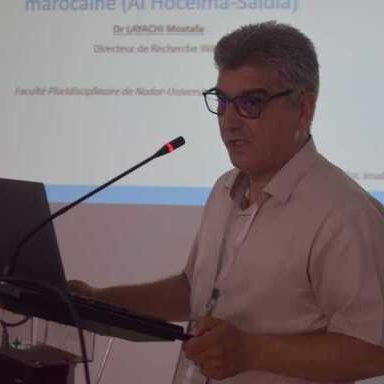
Dr. Mostafa LAYACHI works as a Research Director at the National Institute of Fisheries Research INRH-Morocco. He obtained his PhD in Marine Biology and Environment, from the Mohammed 1st University, Faculty of Sciences in Oujda in 2007, and a DESA in Marine Environment, Quality, and Valorization of Fisheries Resources from Chouaib Doukkali University, Faculty of Sciences in El Jadida in 2001. With over 20 years of professional experience at INRH (Dakhla, Nador), he was part of several INRH research laboratories in Dakhla and Nador and was appointed Head of the Marine Environment Quality, Surveillance and Monitoring laboratory at the INRH Regional Center in Nador from 2010 to 2020. Dr. LAYACHI has contributed to several research projects on marine habitats in the Moroccan Mediterranean, aquaculture planning, and integrated coastal zone management. Dr. LAYACHI has served as a co-director for many doctoral theses and has supervised numerous Master's and Bachelor's degree projects. Dr. LAYACHI is an associate member of the Marchica Lagoon Observatory Laboratory at the FPN and of the Applied Geosciences and Geology Engineering Research Team at the FSTH and has published many papers in Scopus indexed international journals and more than 13 scientific opinions on fisheries and the exploitation of marine resources and the marine environment
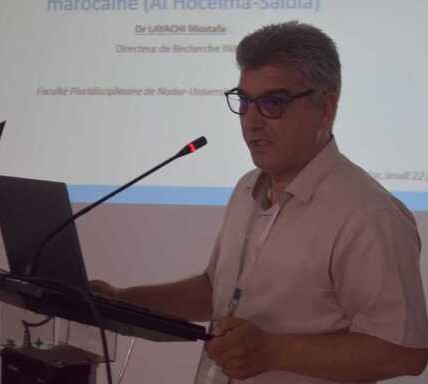
Dr. Mostafa LAYACHI works as a Research Director at the National Institute of Fisheries Research INRH-Morocco. He obtained his PhD in Marine Biology and Environment, from the Mohammed 1st University, Faculty of Sciences in Oujda in 2007, and a DESA in Marine Environment, Quality, and Valorization of Fisheries Resources from Chouaib Doukkali University, Faculty of Sciences in El Jadida in 2001. With over 20 years of professional experience at INRH (Dakhla, Nador), he was part of several INRH research laboratories in Dakhla and Nador and was appointed Head of the Marine Environment Quality, Surveillance and Monitoring laboratory at the INRH Regional Center in Nador from 2010 to 2020. Dr. LAYACHI has contributed to several research projects on marine habitats in the Moroccan Mediterranean, aquaculture planning, and integrated coastal zone management. Dr. LAYACHI has served as a co-director for many doctoral theses and has supervised numerous Master's and Bachelor's degree projects. Dr. LAYACHI is an associate member of the Marchica Lagoon Observatory Laboratory at the FPN and of the Applied Geosciences and Geology Engineering Research Team at the FSTH and has published many papers in Scopus indexed international journals and more than 13 scientific opinions on fisheries and the exploitation of marine resources and the marine environment
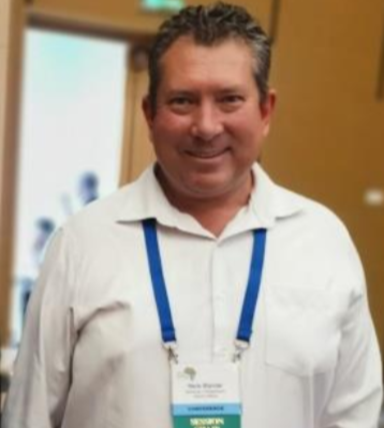
Dr. Henk Stander, is the Principal Technical Manager of the Aquaculture unit within the Department of Animal Science, Faculty of Agrisciences, at the University of Stellenbosch, South Africa. Henk has been working at the Aquaculture unit for the past 28 years and he has generated a lot of valuable experience in different fields of Aquaculture. He holds a Master’s degree in Animal Production (MPhil) Aquaculture and is pursuing his PhD in Agriculture Economics on Aquaculture. He has also followed several International Aquaculture Training courses over the years in countries like the USA, China, Switzerland, and the Philippines. Henk is the current Vice-Chairman of the Aquaculture Association of Southern Africa (www.aasa-aqua.co.za) and was a member of the Steering Committee for the African Chapter of the World Aquaculture Society (www.was.org). Henk was a member of the
Local Organising Committee for the previous six AASA Aquaculture Scientific Conferences and Chairman of the LOC for the previous five AASA Aquaculture Scientific Conferences. He is also acting as an EXCO Member on various local Aquaculture Industry Associations for instance the Western Cape Trout Association (Chairman), TroutSA, Aquaculture SA, Tilapia Aquaculture Association of South Africa and the Catfish Growers Association of South Africa. He was a founding member of the Aquaponics Association of South Africa and served on the EXCO for 3 years as the Secretary. Henk’s experience in Aquaponics goes back to 2012 when he helped to design and construct the first Aquaponics research system at Stellenbosch University. Henk in the past has received the Rectors award for Community Interaction (2007), the Best Poster Presentation, AASA Aquaculture Conference (2010) and he has done Aquaculture Consultation and Extension work in many countries in Africa for instance Lesotho, Namibia, Angola, Zimbabwe, Rwanda, Seychelles, Mauritius, Mozambique, Malawi, Ghana and Egypt. He was a Special Member of the EU Aquaponics HUB and a Keynote
Speaker at the European Cooperation in Science and Technology (COST Action FA1305) Conference in Ljubljana, Slovenia (2016). Henk has a strong sense of responsibility, he displays self-discipline in setting and meeting goals, make good judgements and have high values in live. He is currently serving as a director in multiple private companies. He is an international registered consultant for GOPA Worldwide Consultants and has done work for WorldFish, SADC and the European Development Fund in the past. Henk was an invited speaker on more than 30 occasions and have published more than 60 periodical articles.
Books published:
2015 The South African Fish and Seafood Cookbook (LAPA)
2017 Geothermal, Wind and Solar Energy Applications in Agriculture and Aquaculture, CRC Australia. (contributing author)
2018 Aquaponics Food Production Systems, EU Aquaponics Hub, SpringerOpen.(contributing author)
Dr. Henk Stander, is the Principal Technical Manager of the Aquaculture unit within the Department of Animal Science, Faculty of Agrisciences, at the University of Stellenbosch, South Africa. Henk has been working at the Aquaculture unit for the past 28 years and he has generated a lot of valuable experience in different fields of Aquaculture. He holds a Master’s degree in Animal Production (MPhil) Aquaculture and is pursuing his PhD in Agriculture Economics on Aquaculture. He has also followed several International Aquaculture Training courses over the years in countries like the USA, China, Switzerland, and the Philippines. Henk is the current Vice-Chairman of the Aquaculture Association of Southern Africa (www.aasa-aqua.co.za) and was a member of the Steering Committee for the African Chapter of the World Aquaculture Society (www.was.org). Henk was a member of the
Local Organising Committee for the previous six AASA Aquaculture Scientific Conferences and Chairman of the LOC for the previous five AASA Aquaculture Scientific Conferences. He is also acting as an EXCO Member on various local Aquaculture Industry Associations for instance the Western Cape Trout Association (Chairman), TroutSA, Aquaculture SA, Tilapia Aquaculture Association of South Africa and the Catfish Growers Association of South Africa. He was a founding member of the Aquaponics Association of South Africa and served on the EXCO for 3 years as the Secretary. Henk’s experience in Aquaponics goes back to 2012 when he helped to design and construct the first Aquaponics research system at Stellenbosch University. Henk in the past has received the Rectors award for Community Interaction (2007), the Best Poster Presentation, AASA Aquaculture Conference (2010) and he has done Aquaculture Consultation and Extension work in many countries in Africa for instance Lesotho, Namibia, Angola, Zimbabwe, Rwanda, Seychelles, Mauritius, Mozambique, Malawi, Ghana and Egypt. He was a Special Member of the EU Aquaponics HUB and a Keynote
Speaker at the European Cooperation in Science and Technology (COST Action FA1305) Conference in Ljubljana, Slovenia (2016). Henk has a strong sense of responsibility, he displays self-discipline in setting and meeting goals, make good judgements and have high values in live. He is currently serving as a director in multiple private companies. He is an international registered consultant for GOPA Worldwide Consultants and has done work for WorldFish, SADC and the European Development Fund in the past. Henk was an invited speaker on more than 30 occasions and have published more than 60 periodical articles.
Books published:
2015 The South African Fish and Seafood Cookbook (LAPA)
2017 Geothermal, Wind and Solar Energy Applications in Agriculture and Aquaculture, CRC Australia. (contributing author)
2018 Aquaponics Food Production Systems, EU Aquaponics Hub, SpringerOpen.(contributing author)
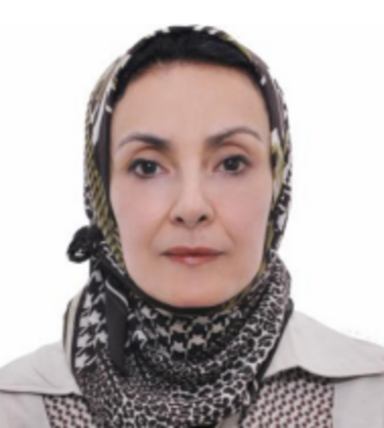
Dr. Cherifi Ouafa has been a full university professor and researcher since 1995, holding a doctorat degree from Cadi Ayyad University. She specializes in the study of freshwater and marine water quality, as well as the biodiversity of micro- and macroalgae. After teaching at the Faculty of Sciences in Eljadida for 3 years, she later joined the Faculty of Sciences and Techniques in Marrakech, where she continues to serve as a university professor. Her expertise encompasses phycology, ecophysiology, and the biodiversity of seaweeds and freshwater phytoplankton. Additionally, she focuses on the use of algae in agroecology, phytoremediation, and the valorization of algal biomass in food and cosmetics. Her research and contributions have been widely recognized through articles published in renowned international journals (30 articles). She is an inspiring figure in the field of scientific research, mentoring and inspiring future generations of researchers (more than 50). Additionally, she is reviewer in 4 scientific journals.
She has received recognition for her work in 2021 as a teacher and awarded in 2022 as a startup in the frame of Hackathon water show.
Dr. Cherifi Ouafa has been a full university professor and researcher since 1995, holding a doctorat degree from Cadi Ayyad University. She specializes in the study of freshwater and marine water quality, as well as the biodiversity of micro- and macroalgae. After teaching at the Faculty of Sciences in Eljadida for 3 years, she later joined the Faculty of Sciences and Techniques in Marrakech, where she continues to serve as a university professor. Her expertise encompasses phycology, ecophysiology, and the biodiversity of seaweeds and freshwater phytoplankton. Additionally, she focuses on the use of algae in agroecology, phytoremediation, and the valorization of algal biomass in food and cosmetics. Her research and contributions have been widely recognized through articles published in renowned international journals (30 articles). She is an inspiring figure in the field of scientific research, mentoring and inspiring future generations of researchers (more than 50). Additionally, she is reviewer in 4 scientific journals.
She has received recognition for her work in 2021 as a teacher and awarded in 2022 as a startup in the frame of Hackathon water show.
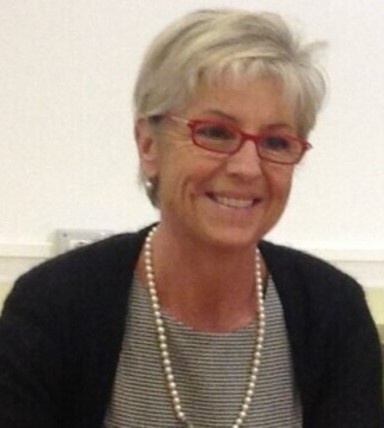
Dr. Daniela Lo Monaco currently works at the Istituto Zooprofilattico Sperimentale della Sicilia-Italy. She is the Director of the laboratory "Ecopathological Section of the Wildlife-Hunting Observatory. She conducts research in Marine ecotoxicology, molecular biology and Genetics and is involved in topics related to food safety, Coastal water quality monitoring in bivalve production areas, and fisheries products pathology. Dr. Daniela has also participated in several research projects and published many papers in international journals
Dr. Daniela Lo Monaco currently works at the Istituto Zooprofilattico Sperimentale della Sicilia-Italy. She is the Director of the laboratory "Ecopathological Section of the Wildlife-Hunting Observatory. She conducts research in Marine ecotoxicology, molecular biology and Genetics and is involved in topics related to food safety, Coastal water quality monitoring in bivalve production areas, and fisheries products pathology. Dr. Daniela has also participated in several research projects and published many papers in international journals
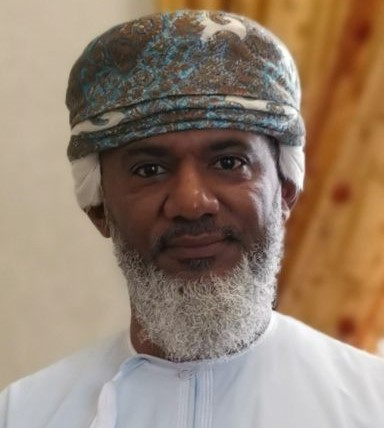
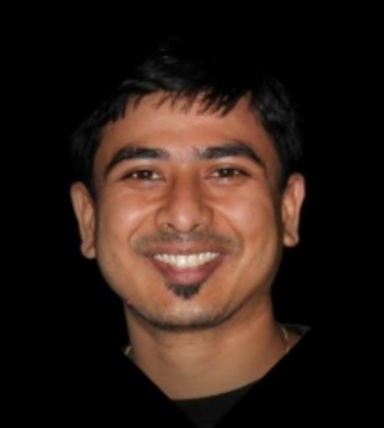
Prof. Sachinandan Dutta currently works as an Assistant Professor at the Department of Marine Science and Fisheries, College of Agricultural and Marine Sciences, Sultan Qaboos University, Muscat, Oman, where he teaches Fisheries Management. His main research goal is to understand the fisheries impacts on the ecosystem. He accepted his PhD degree in ecosystem modelling for fisheries management from Jadavpur University, Kolkata, India. He was awarded UNESCO
MAB Young Scientists Awards for 2022 from Oman. He is also serving as an International Sectoral Expert in Fisheries and Marine Resources, UNIDO
Prof. Sachinandan Dutta currently works as an Assistant Professor at the Department of Marine Science and Fisheries, College of Agricultural and Marine Sciences, Sultan Qaboos University, Muscat, Oman, where he teaches Fisheries Management. His main research goal is to understand the fisheries impacts on the ecosystem. He accepted his PhD degree in ecosystem modelling for fisheries management from Jadavpur University, Kolkata, India. He was awarded UNESCO
MAB Young Scientists Awards for 2022 from Oman. He is also serving as an International Sectoral Expert in Fisheries and Marine Resources, UNIDO
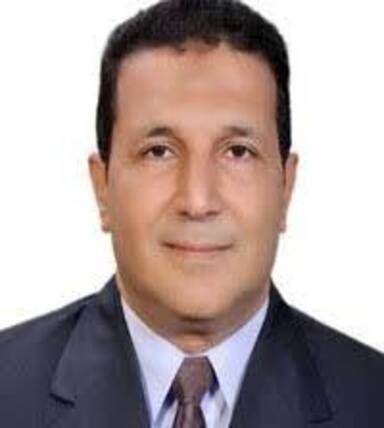
Dr. Salah Mohamed Kamal works as a professor at the Central Laboratory for Fisheries Research, at the Agriculture Research Center- Abassa, Egypt, and is a former Director of this laboratory. He is also currently a member of the Technology Management and Marketing Office at the Agriculture Research Center. Additionally, Dr. Salah Mohamed Kamal worked as a fish farming expert in Qatar and Ecuador, and was a lecturer at Kasdi Merbah University in Algeria.
Dr. Salah Mohamed Kamal works as a professor at the Central Laboratory for Fisheries Research, at the Agriculture Research Center- Abassa, Egypt, and is a former Director of this laboratory. He is also currently a member of the Technology Management and Marketing Office at the Agriculture Research Center. Additionally, Dr. Salah Mohamed Kamal worked as a fish farming expert in Qatar and Ecuador, and was a lecturer at Kasdi Merbah University in Algeria.

Testimonial